
Concrete Steps & Stairs
Build safe, durable steps and stairs that provide secure access while enhancing your property's appearance.
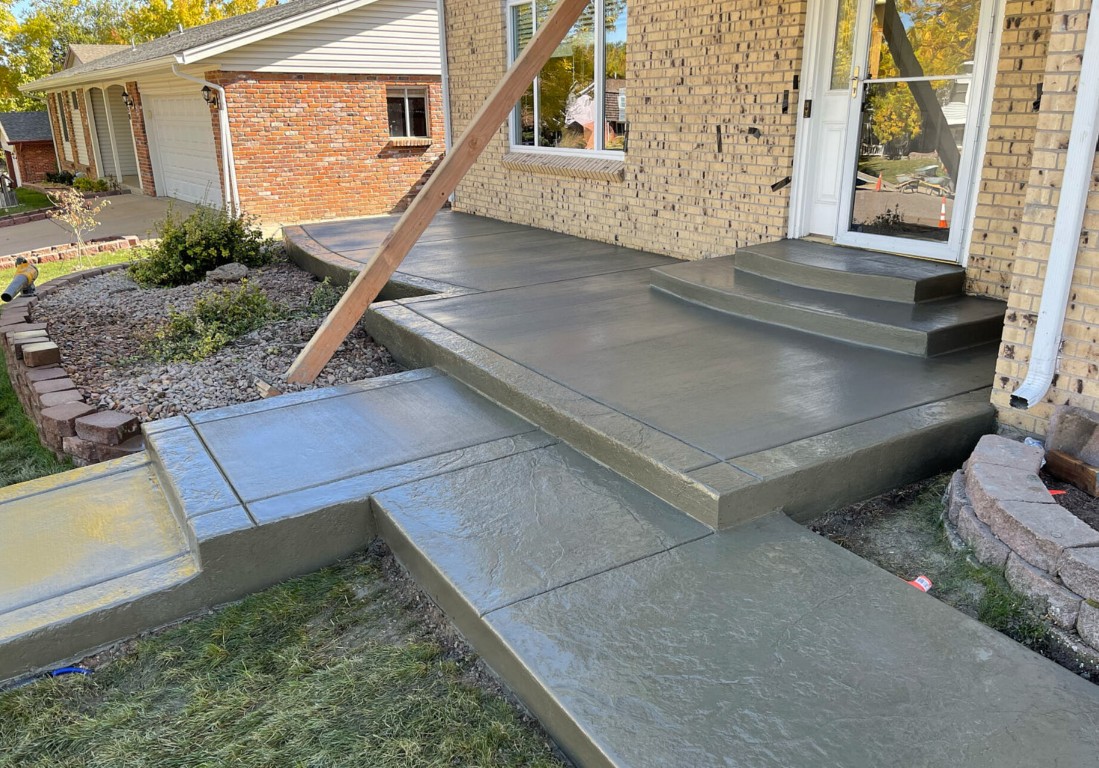
Why Quality Steps Matter
Steps and stairs are more than just a way to get from one level to another. They're one of the most safety-critical features on your property. Uneven risers, worn treads, or crumbling edges create serious fall hazards, especially for children, elderly visitors, and anyone carrying packages. Quality concrete steps eliminate these dangers while providing decades of reliable service.
Here in Calexico, concrete steps need to withstand our intense sun and occasional heavy rains without deteriorating. They must stay slip-resistant even when wet. Building codes specify exact measurements for riser height and tread depth to ensure safety, and these requirements exist for good reason. Steps built to proper specifications feel natural and safe to use.
When you work with Calexico Concrete for your step installation, you get crews who understand building codes, proper construction techniques, and how to create steps that are both safe and attractive. We've built hundreds of staircases throughout the area, from simple porch steps to elaborate multi-level outdoor stairways.
Benefits of Concrete Steps
- Safety first: Properly built steps with consistent dimensions reduce trip and fall accidents.
- Weather resistant: Concrete handles sun, rain, and temperature changes without rotting or warping like wood.
- Low maintenance: No annual painting or sealing required, just occasional cleaning.
- Design options: Choose from various finishes, colors, and styles to match your home.
- Long lifespan: Well-built concrete steps last 30 years or more with minimal upkeep.
How We Design and Build Steps
Building code-compliant, safe steps requires careful attention to measurements and proper construction techniques.
Planning and Measurements
We start by measuring the total rise from bottom to top. This determines how many steps you need. Building codes typically require risers between 4 and 7.75 inches high, with all risers in a flight matching exactly. Treads must be at least 10 inches deep. These specifications create steps that feel natural and safe to climb. We also plan for handrails if codes require them, which is usually the case for stairs with more than three steps.
Foundation and Forms
Next, we excavate and pour a solid footing that extends below frost line and provides stable support. We build forms that create the exact step dimensions required. The forms must be strong and precisely positioned because once concrete is poured, there's no adjusting. We install steel reinforcement throughout the structure to prevent cracking and add strength.
Pouring and Finishing
On pour day, we place concrete carefully into the forms, working from bottom to top. We consolidate the concrete to eliminate air pockets and ensure it reaches every corner. After the initial set, we finish the treads with a slip-resistant texture. Most steps get a broom finish that provides good traction. We can also create smooth finishes, exposed aggregate, or stamped patterns.
Curing and Final Details
After finishing, we protect the concrete while it cures. This usually takes several days, during which the steps gain most of their strength. We remove forms carefully to avoid chipping edges. If handrails are needed, we install mounting hardware at this stage. The finished steps are ready to use after about a week. Looking to improve other areas of your property? Check out our walkway installation or patio construction services.
Types of Concrete Steps We Build
Different situations call for different step designs. Here are the most common types we install.
Front Entry Steps
Front steps create the first impression visitors get of your home. We design these to be welcoming and proportionate to your house. This might mean wide, generous steps with integrated planters or a simple, clean design that complements modern architecture. We can add decorative elements like contrasting colors, stamped patterns, or textured finishes.
Back and Side Entry Steps
Utility entrances need functional, durable steps. These often connect to laundry rooms, garages, or back yards. While less decorative than front steps, they still need proper construction for safety and longevity. We build them to handle heavy use and frequent traffic with minimal maintenance.
Garden and Landscape Steps
Sloped yards benefit from steps that create easy paths through landscaping. These can be formal straight flights or informal, curved routes that follow the natural terrain. We integrate them with retaining walls, planters, and other landscape features for a cohesive design.
Commercial and Public Steps
Business properties need steps that meet ADA accessibility requirements and handle heavy traffic. These projects require specific dimensions, handrail specifications, and often include landings at required intervals. We're experienced with commercial code requirements and inspection processes.
Frequently Asked Questions
What's the ideal riser height for concrete steps?
Most building codes allow risers between 4 and 7.75 inches, with the ideal height being around 7 inches for residential steps. More important than the exact height is consistency. All risers in a flight of steps must be the same height, within a quarter inch. Inconsistent riser heights are a major cause of trips and falls because your brain learns the pattern after the first few steps and expects it to continue. We calculate riser heights precisely to ensure perfect uniformity.
Can you replace just one or two damaged steps?
It depends on how the steps were built. If each step is a separate pour, we can sometimes replace individual steps. However, many stairways are poured as a single monolithic unit, which means replacing one step requires replacing all of them. We can repair minor damage like chipped edges or surface spalling with patching compounds. For extensive damage, full replacement is usually necessary to maintain structural integrity and ensure all risers remain uniform.
Do concrete steps need handrails?
Building codes typically require handrails for stairs with four or more risers, though requirements vary by jurisdiction and whether the steps are residential or commercial. Even when not required, handrails are a good safety feature, especially for elderly residents or anyone with mobility challenges. We can embed handrail mounting hardware during construction or add them later. For commercial properties, handrails must meet specific ADA requirements for height, diameter, and extension beyond the top and bottom steps.