Concrete Repair & Replacement
Fix damaged concrete before small cracks become big problems with expert repair and replacement services.
When Your Concrete Needs Attention
Concrete is tough, but it's not indestructible. Over time, weather, ground movement, and daily use take their toll. Small cracks appear, surfaces start to crumble, and sections settle unevenly. The good news is that catching these problems early usually means you can repair them instead of replacing the entire slab.
Here in Calexico, we deal with conditions that are especially hard on concrete. Intense sun exposure causes surface deterioration. Temperature swings make existing cracks worse. Occasional heavy rains can wash away supporting soil. All of these factors mean your concrete needs periodic inspection and maintenance to stay in good shape.
When you work with Calexico Concrete for repairs, we'll honestly assess whether repair or replacement makes more sense for your situation. Sometimes a quick fix solves the problem. Other times, replacement is the smarter long-term investment.
Common Concrete Problems We Fix
- Surface cracks: Hairline to moderate cracks that let water seep in and cause further damage.
- Spalling and flaking: Surface concrete that's breaking apart and exposing aggregate underneath.
- Settled or sunken sections: Areas that have dropped due to soil erosion or poor compaction.
- Broken edges: Corners and edges that have chipped away or crumbled.
- Trip hazards: Uneven joints or raised sections that create dangerous walking surfaces.
Repair Methods That Work
Different problems need different solutions. Here's how we approach the most common concrete repair situations.
Crack Repair and Sealing
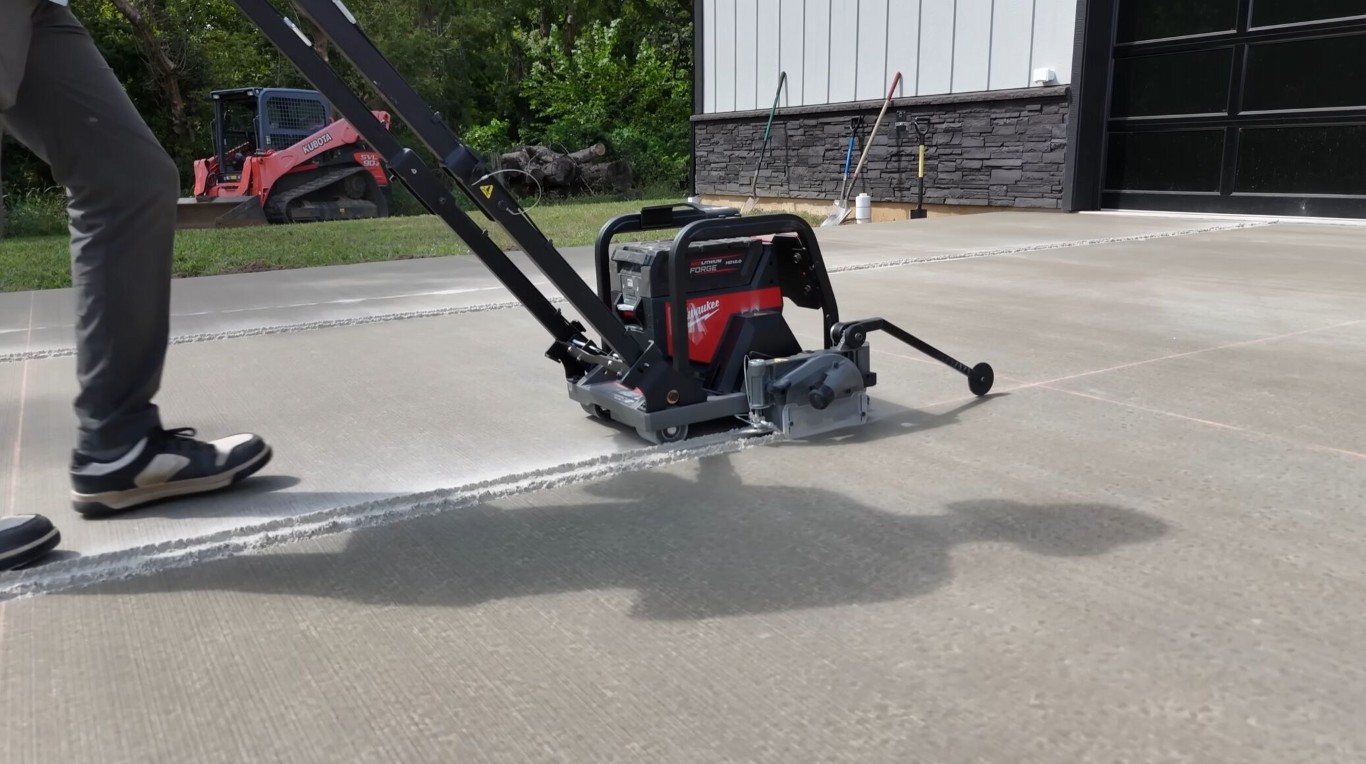
For cracks that are still structurally sound, we clean them out thoroughly and fill them with specialized repair compounds. These materials bond to the existing concrete and create a waterproof seal that prevents further deterioration. Small hairline cracks often just need sealing, while larger cracks may require routing to create a proper channel for the filler material.
Surface Resurfacing
When the surface is damaged but the underlying slab is still solid, resurfacing gives you a like-new appearance at a fraction of replacement cost. We apply a thin layer of fresh concrete or specialized overlay material that bonds to the old surface. This covers stains, minor cracks, and surface damage while adding years to your concrete's life. You can even add color or texture during resurfacing.
Concrete Leveling
Sunken concrete doesn't always need replacement. Modern leveling techniques let us lift settled sections back to their original height. We drill small holes and pump a filling material underneath that expands and raises the slab. This process, sometimes called mudjacking or slabjacking, works great for driveways, sidewalks, and patios where sections have settled but the concrete itself is still sound.
Partial Replacement
Sometimes only part of your concrete is damaged beyond repair. In these cases, we can remove and replace just the problem sections. We cut out the damaged area, prepare the base, and pour new concrete that matches your existing surface. This saves you money compared to full replacement while eliminating the damaged sections. If you're considering a complete update instead, check out our new driveway installation or patio replacement services.
When Replacement Makes More Sense
We're always honest about whether repair or replacement is your best option. Sometimes spending money on repairs just delays the inevitable. Here are situations where replacement typically makes more sense.
Extensive Cracking
If your concrete has multiple large cracks or a spiderweb pattern of interconnected cracks, the structural integrity is compromised. You can patch individual cracks, but new ones will keep appearing. At that point, a full driveway replacement gives you a fresh start and eliminates ongoing repair costs.
Poor Original Installation
Some concrete problems stem from improper installation. If the base wasn't prepared correctly, if reinforcement was skipped, or if the concrete mix was wrong for the application, repairs won't fix the underlying problem. In these cases, starting over with proper installation methods is the only real solution.
Age and General Deterioration
Concrete that's reaching the end of its natural lifespan shows deterioration throughout the entire surface. The aggregate may be exposed everywhere, the surface may be flaking off in multiple spots, and cracks appear in new locations constantly. When damage is widespread rather than isolated, replacement makes economic sense.
Design Changes
Maybe you want to expand your patio, change your driveway's shape, or add decorative elements that weren't part of the original installation. Replacement gives you the opportunity to redesign your concrete features while fixing any existing problems at the same time.
Frequently Asked Questions
How much does concrete repair cost compared to replacement?
Repair costs vary widely depending on the type and extent of damage. Simple crack filling might cost a fraction of what replacement would run, while extensive resurfacing could reach 50 to 70 percent of replacement cost. As a general rule, if repairs would cost more than 50 percent of replacement, or if you'll likely need additional repairs within a few years, replacement is usually the smarter financial choice. We provide free estimates for both repair and replacement so you can make an informed decision based on your specific situation.
Can repaired concrete match the original appearance?
We do our best to match existing concrete, but perfect matches are rare. New concrete and repair materials cure to slightly different shades than aged concrete. For crack repairs, the filled areas are usually visible up close but blend reasonably well from a distance. Resurfacing or overlays can be matched more closely and often provide the most seamless appearance. If color matching is important to you, we can discuss options like staining or coloring the entire surface to create uniform appearance.
How long do concrete repairs last?
Repair longevity depends on the type of damage and repair method used. Quality crack repairs can last 5 to 10 years or more if the underlying concrete remains stable. Resurfacing typically lasts 8 to 15 years with proper maintenance. Leveled concrete stays raised as long as the soil beneath remains stable, often many years. The key is addressing the root cause of damage, not just the symptoms. If repairs fail quickly, it usually means the concrete has deeper structural issues that require replacement instead.