
Concrete Slab & Foundation Work
Build on solid ground with expert concrete slab and foundation services for residential and commercial projects.
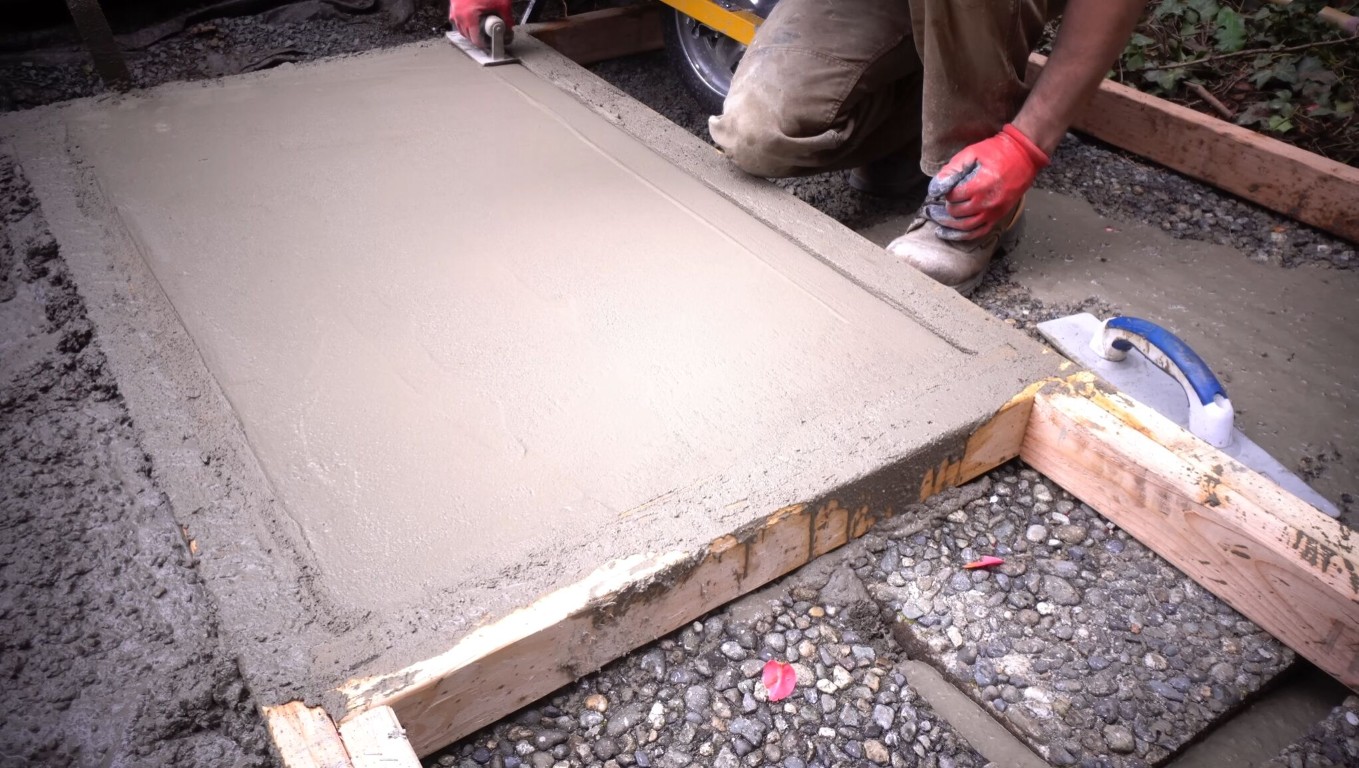
Why Your Foundation Matters
Your foundation is literally what your entire structure sits on. Whether you're building a new home, adding a garage, or constructing a shed, the quality of your concrete slab determines how well that structure performs for years to come. A poorly installed foundation leads to cracked walls, uneven floors, and costly repairs that could have been avoided.
Here in Calexico, soil conditions and extreme temperatures put extra demands on concrete foundations. The desert soil can shift and settle, especially during rare heavy rains. Temperature swings cause expansion and contraction. That's why proper foundation work requires more than just pouring concrete. It takes careful planning, quality materials, and proven installation techniques.
When you choose Calexico Concrete for your foundation work, you get crews who understand local soil conditions and building requirements. We've poured hundreds of slabs in this area, and we know what it takes to create a foundation that stays level and stable through decades of use.
Benefits of Professional Slab Work
- Structural integrity: Properly reinforced slabs support heavy loads without settling or cracking.
- Moisture protection: Correct installation includes vapor barriers that keep ground moisture away from your building.
- Energy efficiency: Insulated slabs help regulate indoor temperatures and reduce heating and cooling costs.
- Long-term stability: Quality foundation work prevents future problems that cost far more to fix than doing it right the first time.
- Code compliance: We follow all local building codes so your project passes inspection without delays.
Types of Foundation Work We Do
Every project has different foundation needs. Here are the most common types of concrete slab and foundation work we handle.
Residential Foundations
New home construction starts with a solid slab foundation. We work with builders and homeowners to create foundations that meet engineering specifications and local code requirements. This includes site preparation, installing vapor barriers, placing rebar reinforcement, and pouring concrete to exact thickness and grade. We also handle foundations for room additions, garage conversions, and accessory dwelling units.
Garage and Shop Floors
Garage and workshop floors take serious abuse from vehicles, tools, and equipment. These slabs need extra thickness and reinforcement to handle heavy loads and impact. We create level, durable floors that resist oil stains and provide a safe working surface. Many customers choose a smooth trowel finish that makes cleanup easy, or they add epoxy coatings for extra protection and a professional look.
Commercial Foundations
Commercial and industrial buildings demand stronger foundations engineered for specific loads. We pour commercial-grade slabs for warehouses, retail spaces, offices, and other business properties. These projects often require thicker concrete, denser reinforcement patterns, and specific finish requirements. We coordinate with architects and engineers to ensure every detail meets plan specifications.
Shed and Outbuilding Pads
Even small structures need proper foundations. A concrete pad for your shed, workshop, or storage building keeps it level and prevents moisture problems. These smaller slabs typically pour faster and cost less than full foundations, but they still require proper base preparation and reinforcement. If you're also planning other outdoor improvements, check out our patio installation services to enhance your backyard space.
Our Foundation Installation Process
Professional foundation work follows a careful sequence of steps. Here's how we ensure your slab meets the highest standards.
Site Evaluation and Planning
We start by evaluating soil conditions, drainage patterns, and grade. If you're working with an architect or engineer, we review their plans to understand load requirements and specifications. We mark utilities so we know where underground lines run. This planning phase prevents surprises and ensures we're ready to work efficiently once we start.
Excavation and Base Preparation
Next, we excavate to the proper depth and create a level base. We remove soft or unstable soil and replace it with compacted gravel. This base layer provides drainage and prevents settling. For larger foundations, we may bring in additional fill material to ensure proper compaction throughout. The base must be perfectly compacted because any settling later will cause cracks in your concrete.
Moisture Barriers and Insulation
We install heavy-duty vapor barriers over the prepared base. These plastic sheets prevent ground moisture from wicking up through the concrete. For climate-controlled buildings, we may also add rigid foam insulation under the slab. This insulation dramatically improves energy efficiency by reducing heat transfer between the ground and your building.
Reinforcement and Utilities
Before pouring concrete, we place steel rebar in a grid pattern according to engineering specifications. We also coordinate any utility rough-ins like plumbing or electrical conduits that need to run through or under the slab. Everything has to be positioned correctly because you can't change it after the concrete goes in.
Pouring and Finishing
On pour day, concrete trucks deliver the exact mix specified for your project. We place and spread the concrete, working it around reinforcement and into all corners. We use laser levels and screeds to achieve precise grade and thickness. Then we finish the surface smooth and create any required slopes for drainage. After initial finishing, we protect the concrete while it cures to full strength. For other concrete projects around your property, explore our driveway services to complete your outdoor improvements.
Frequently Asked Questions
How thick does a concrete slab need to be?
Slab thickness depends on what it will support. Residential home foundations typically need 4 to 6 inches of concrete, though load-bearing walls or heavy equipment may require thicker sections. Garage floors usually need at least 4 inches, while commercial or industrial slabs often require 6 inches or more. Your project may also need thickened edges called grade beams that provide extra support around the perimeter. We determine the right thickness based on soil conditions, building codes, and engineering requirements for your specific project.
How long does foundation work take?
Timeline varies by project size and complexity. A simple shed pad might take just 1 to 2 days from start to pour. A residential home foundation typically takes 3 to 5 days for excavation, preparation, and pouring. Larger commercial foundations may take a week or more. After pouring, concrete needs time to cure before construction can continue. You can usually walk on it after 24 hours, but we recommend waiting at least 7 days before placing heavy loads. Full strength develops over about 28 days.
Do I need a vapor barrier under my slab?
Yes, we strongly recommend vapor barriers for any slab that will be enclosed or climate-controlled. Building codes typically require them for residential foundations. A vapor barrier is a thick plastic sheet that prevents ground moisture from moving up through the concrete. Without one, moisture can cause problems like musty odors, mold growth, damaged flooring, and reduced indoor air quality. Even in our dry climate, ground moisture exists and needs to be controlled. The small cost of installing a vapor barrier is nothing compared to the problems it prevents.